Earth

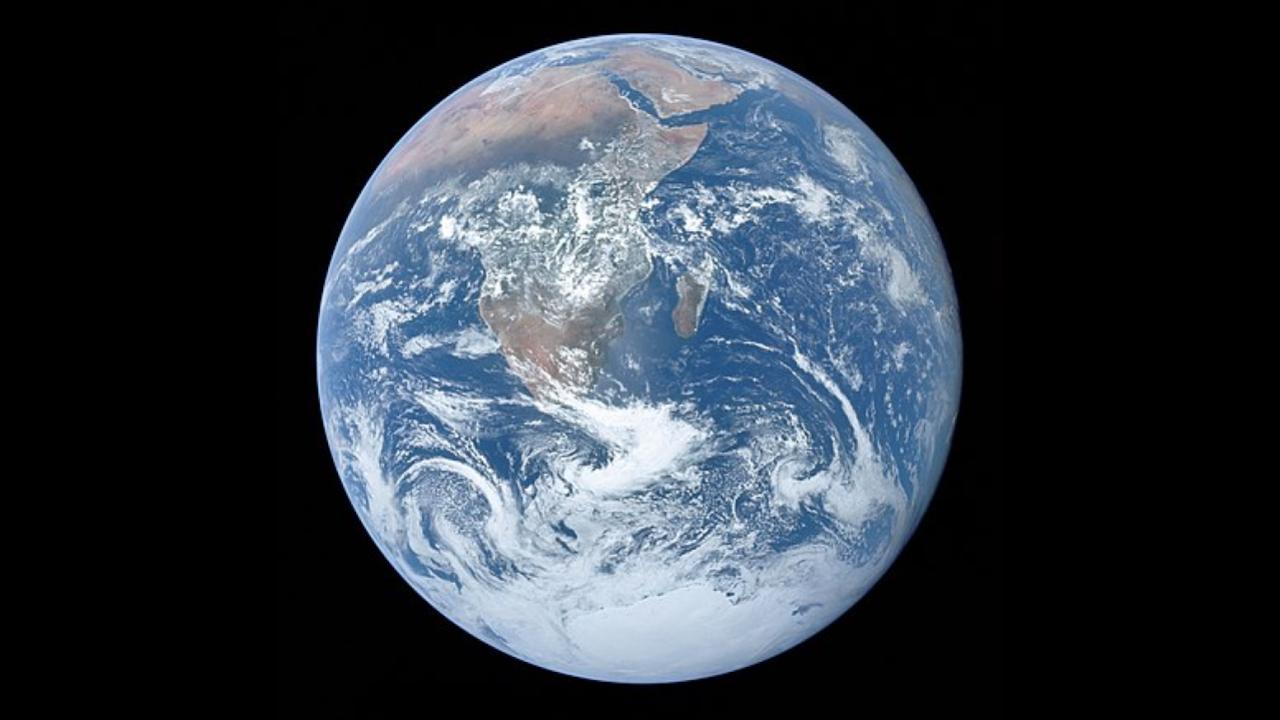
Earth is the third planet from the Sun and the only astronomical object known to harbor life. This is enabled by Earth being an ocean world, the only one in the Solar System sustaining liquid surface water. Almost all of Earth’s water is contained in its global ocean, covering 70.8% of Earth’s crust. The remaining 29.2% of Earth’s crust is land, most of which is located in the form of continental landmasses within Earth’s land hemisphere.

Most of Earth’s land is somewhat humid and covered by vegetation, while large sheets of ice at Earth’s polar deserts retain more water than Earth’s groundwater, lakes, rivers and atmospheric water combined. Earth’s crust consists of slowly moving tectonic plates, which interact to produce mountain ranges, volcanoes, and earthquakes. Earth has a liquid outer core that generates a magnetosphere capable of deflecting most of the destructive solar winds and cosmic radiation.

OnAir Post: Earth
Water

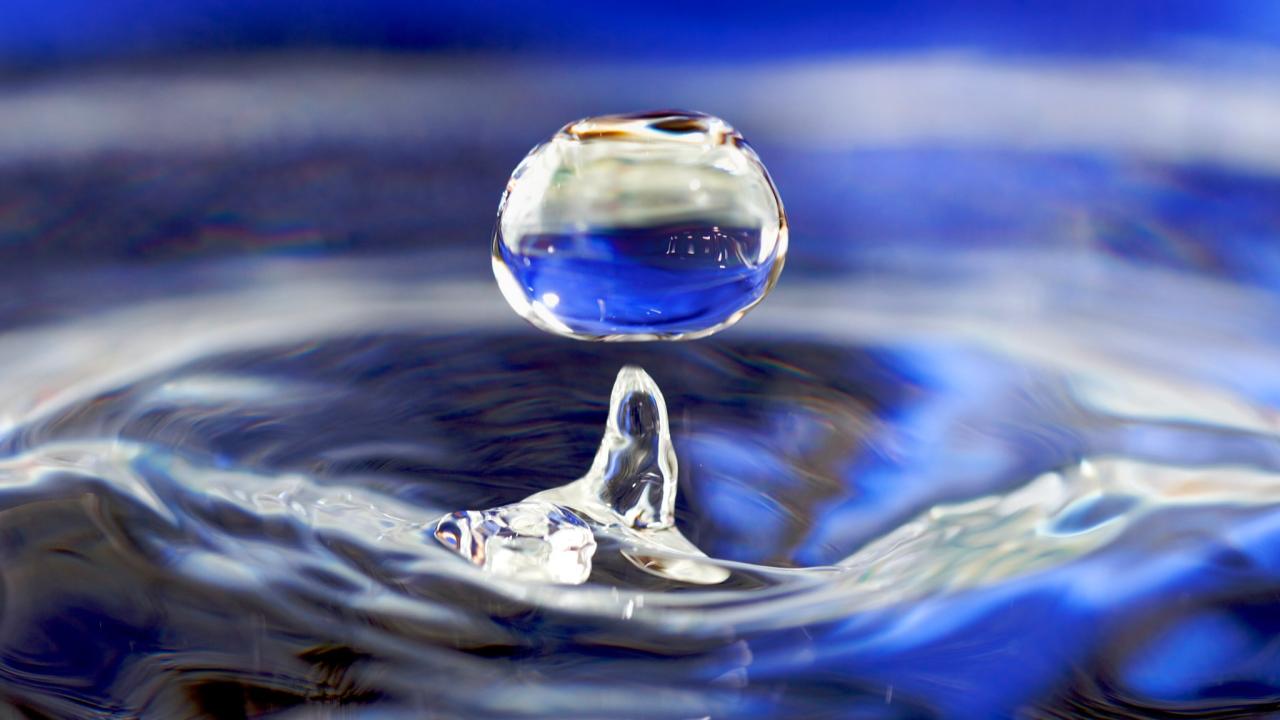
Water is an inorganic compound with the chemical formula H2O. It is a transparent, tasteless, odorless,[a] and nearly colorless chemical substance, and it is the main constituent of Earth’s hydrosphere and the fluids of all known living organisms (in which it acts as a solvent). It is vital for all known forms of life, despite not providing food, energy or organic micronutrients. Its chemical formula, H2O, indicates that each of its molecules contains one oxygen and two hydrogen atoms, connected by covalent bonds. The hydrogen atoms are attached to the oxygen atom at an angle of 104.45°. “Water” is also the name of the liquid state of H2O at standard temperature and pressure.

Water plays an important role in the world economy. Approximately 70% of the freshwater used by humans goes to agriculture. Fishing in salt and fresh water bodies has been, and continues to be, a major source of food for many parts of the world, providing 6.5% of global protein. Much of the long-distance trade of commodities (such as oil, natural gas, and manufactured products) is transported by boats through seas, rivers, lakes, and canals.

Large quantities of water, ice, and steam are used for cooling and heating, in industry and homes. Water is an excellent solvent for a wide variety of substances both mineral and organic; as such it is widely used in industrial processes, and in cooking and washing. Water, ice and snow are also central to many sports and other forms of entertainment, such as swimming, pleasure boating, boat racing, surfing, sport fishing, diving, ice skating and skiing.

OnAir Post: Water

Life

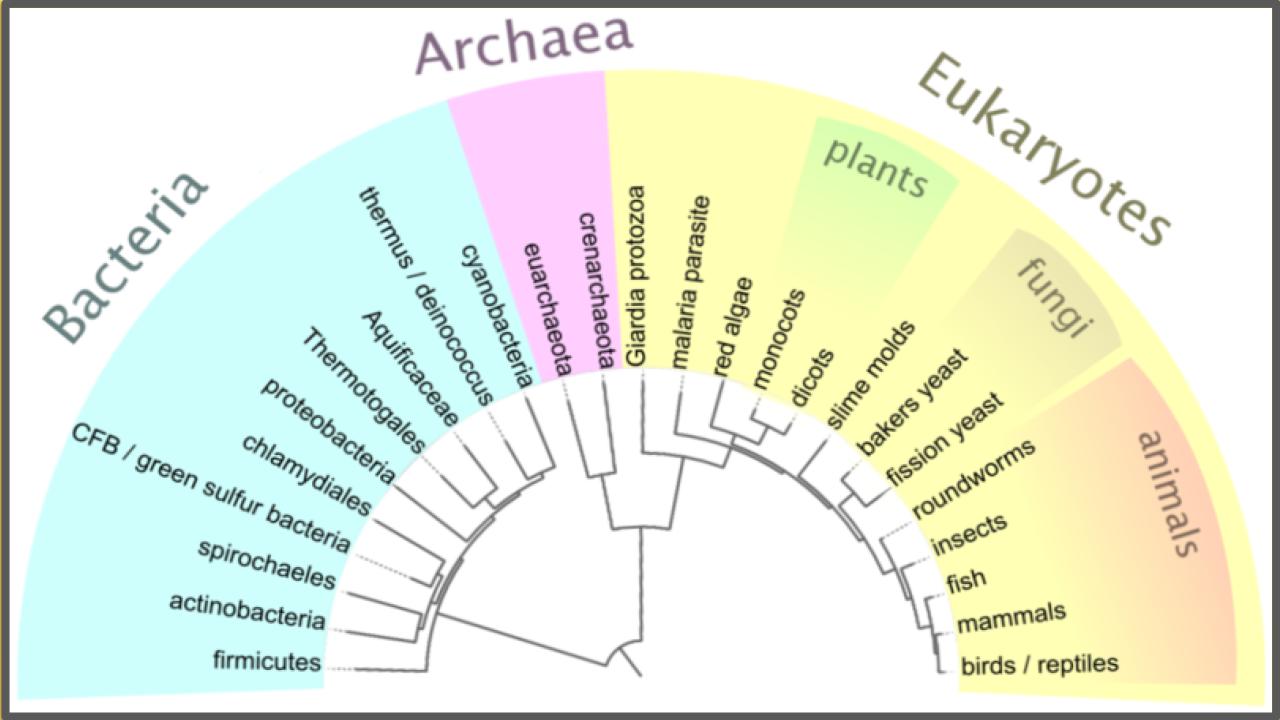
Life is a quality that distinguishes matter that has biological processes, such as signaling and self-sustaining processes, from matter that does not, and is defined by the capacity for growth, reaction to stimuli, metabolism, energy transformation, and reproduction. Various forms of life exist, such as plants, animals, fungi, protists, archaea, and bacteria. Biology is the science that studies life.

The gene is the unit of heredity, whereas the cell is the structural and functional unit of life. There are two kinds of cells, prokaryotic and eukaryotic, both of which consist of cytoplasm enclosed within a membrane and contain many biomolecules such as proteins and nucleic acids. Cells reproduce through a process of cell division, in which the parent cell divides into two or more daughter cells and passes its genes onto a new generation, sometimes producing genetic variation.

Organisms, or the individual entities of life, are generally thought to be open systems that maintain homeostasis, are composed of cells, have a life cycle, undergo metabolism, can grow, adapt to their environment, respond to stimuli, reproduce and evolve over multiple generations. Other definitions sometimes include non-cellular life forms such as viruses and viroids, but they are usually excluded because they do not function on their own; rather, they exploit the biological processes of hosts.

OnAir Post: Life

Atmosphere

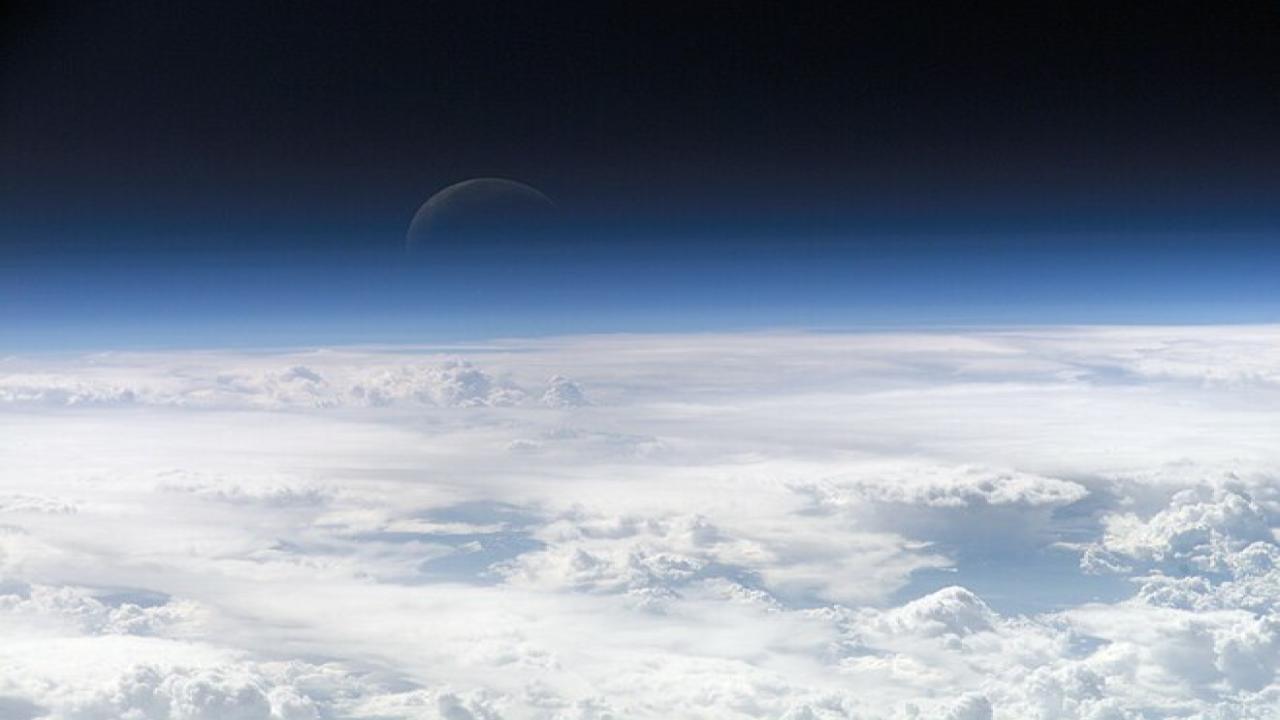
The atmosphere of Earth is the layer of gases, known collectively as air, retained by Earth’s gravity that surrounds the planet and forms its planetary atmosphere.

The atmosphere of Earth creates pressure, absorbs most meteoroids and ultraviolet solar radiation, warms the surface through heat retention (greenhouse effect), and reduces temperature extremes between day and night (the diurnal temperature variation), maintaining conditions allowing life and liquid water to exist on the Earth’s surface.

OnAir Post: Atmosphere

Climate Change Network

The Climate Change onAir network of hubs is focused on bringing together information, experts, organizations, policy makers, and the public to address Climate Change challenges.

If you or your organization would like to curate a post within this hub (e.g. a profile post on your organization), contact climate@onair.cc.

The Earth’s climate has been much hotter and colder than it is today. Climate change this century and last century is sometimes called global warming, because the average temperature on the surface has risen. The last decade (2011-2020) was the warmest on record, and each of the last four decades has been warmer than any previous decade since 1850. The climate is now changing much faster than it has in the recent past. This is because people are putting more greenhouse gases in Earth’s atmosphere, and they block some heat from escaping from the Earth into space.  Wikipedia

To view this post in full screen mode, click anywhere on the Feature Image.

OnAir Post: Climate Change Network

Nature onAir

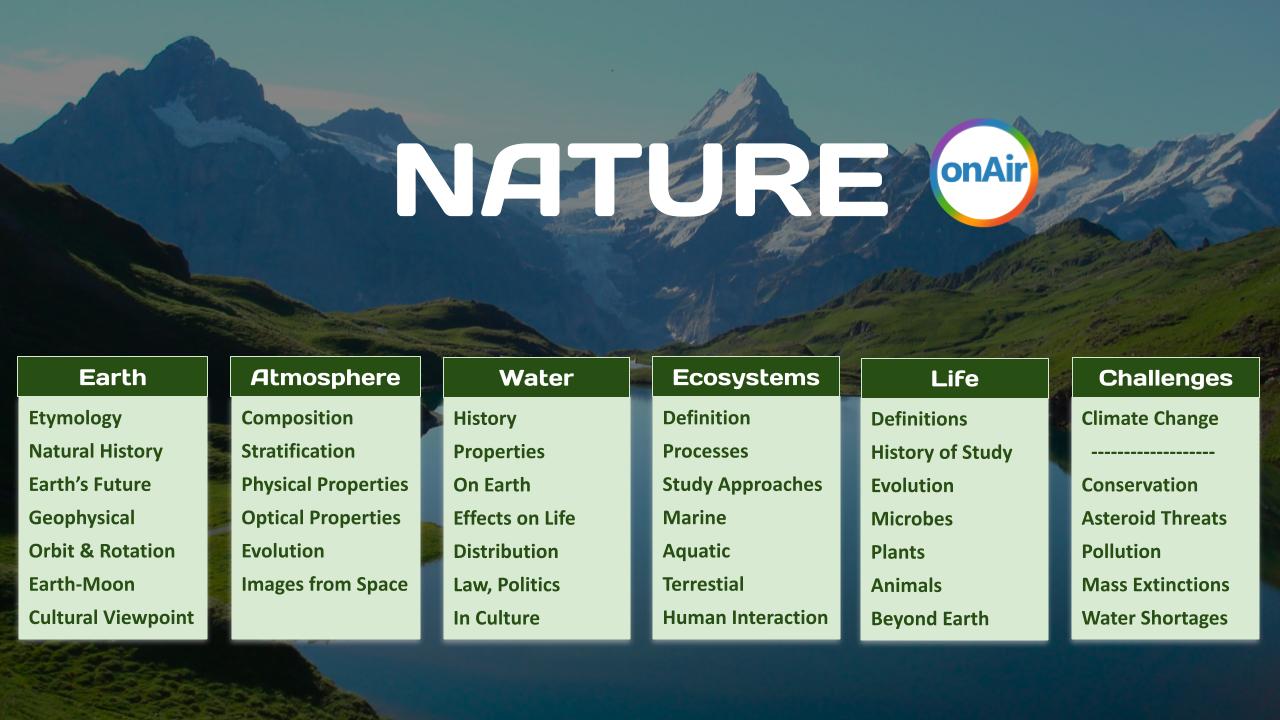
The Nature portal will have five main educational Hubs:Earth, Atmosphere, Water, Life, and Ecosystems.  There are many global challenge Hubs related to the Nature portal under development.

The following Nature challenge networks has been started: Climate Change Network and the Climate Communication Hub.

OnAir Post: Nature onAir

Skip to toolbar